How Does AI Improve Safety Training?
AI improves safety training by personalizing lessons to each worker, simulating real hazards, finding risks in incident data and automating compliance tracking. Combined with safety training software and a safety training kiosk, it makes induction faster, learning more engaging and compliance easier to prove.
What Is Safety Training Software?
Safety training software is a digital system that delivers, tests and records safety training for employees, contractors and visitors. It replaces paper sign-in sheets and one-off classroom sessions with online courses, assessments and certificates on a single platform.
Most workplace safety training software covers four jobs:
- Course delivery: digital safety training modules that people complete on a phone, computer or kiosk.
- Assessment: quizzes and practical checks, handled by safety assessment software, that confirm a person understood the material.
- Training records management: a central log of who completed what and when.
- Certification tracking: automatic expiry alerts so no one works with a lapsed certificate.
You may also see it called safety training management software, a safety learning management system (safety LMS) or an EHS learning management system when it sits inside a wider EHS software suite. Compared with a generic LMS, it is built around site hazards, safety induction software workflows and regulatory requirements.
Six Ways AI Improves Safety Training
AI safety training improves results in six practical ways.
- Personalized learning paths. AI tracks what each worker answers wrong and adapts the next lesson. Experienced staff skip the basics, while new hires get more practice on the topics they struggle with.
- Interactive, scenario-based training. Interactive safety training with simulations lets people practice responding to fires, chemical spills or working at height without real risk. AI training modules can change the scenario based on the choices a trainee makes.
- Training focused on real hazards. AI can analyze incident reports, near-misses and inspection data to show which hazards cause the most harm on your sites, so training targets real risks instead of generic checklists.
- Faster, multilingual content creation. AI can turn procedures, SOPs and regulations into short modules and quizzes and translate them for multilingual workforces. That keeps online safety training current when rules or equipment change.
- Reinforcement on the job. With IoT safety solutions such as wearables, sensors and cameras, unsafe behavior or missing PPE can trigger a prompt or a short refresher right away, turning one-time training into continuous learning.
- Automated compliance tracking. AI-assisted safety compliance tracking software sends reminders, flags overdue training and prepares records for audits, which reduces manual follow-up.
AI works best as a support for qualified safety professionals, not a replacement. Monitoring tools also raise privacy and worker-trust questions, so they need clear policies and communication.
Safety Training Kiosk: What Is It and How Does It Work?
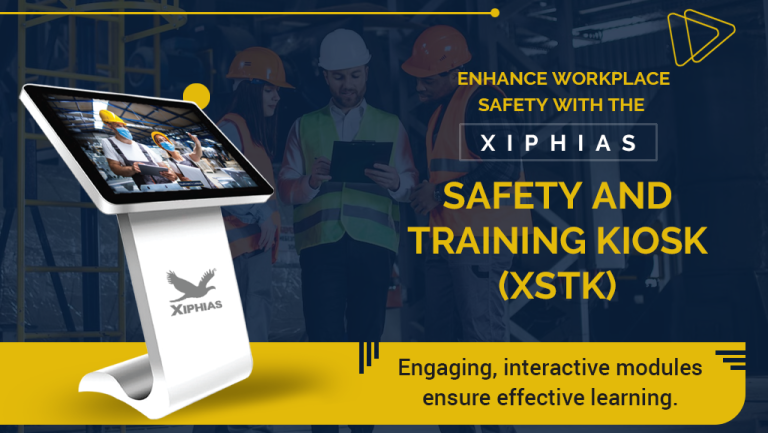
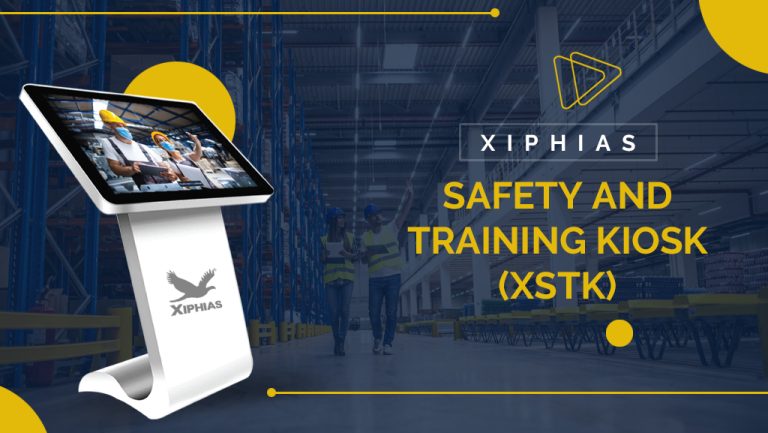
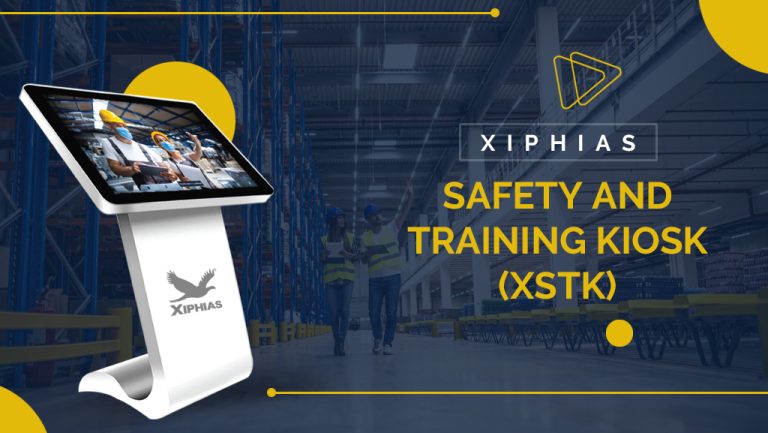
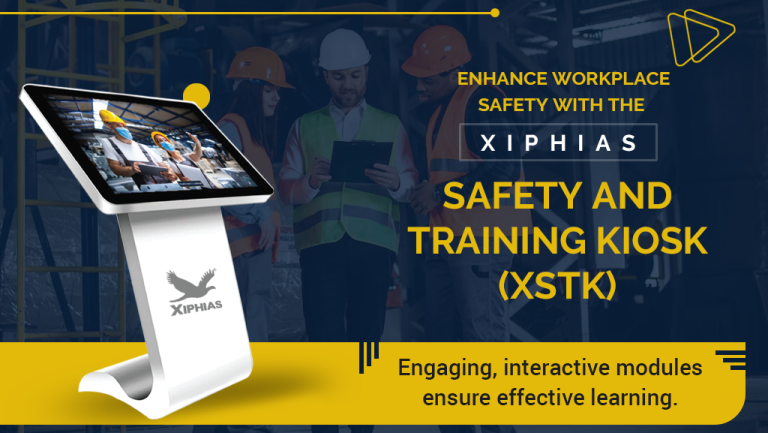
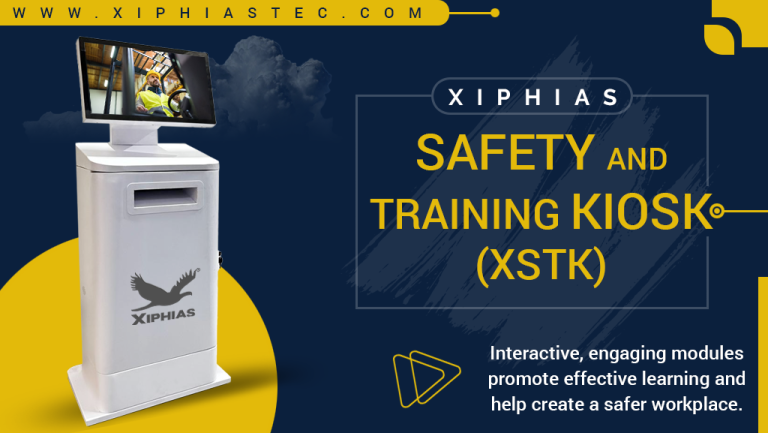
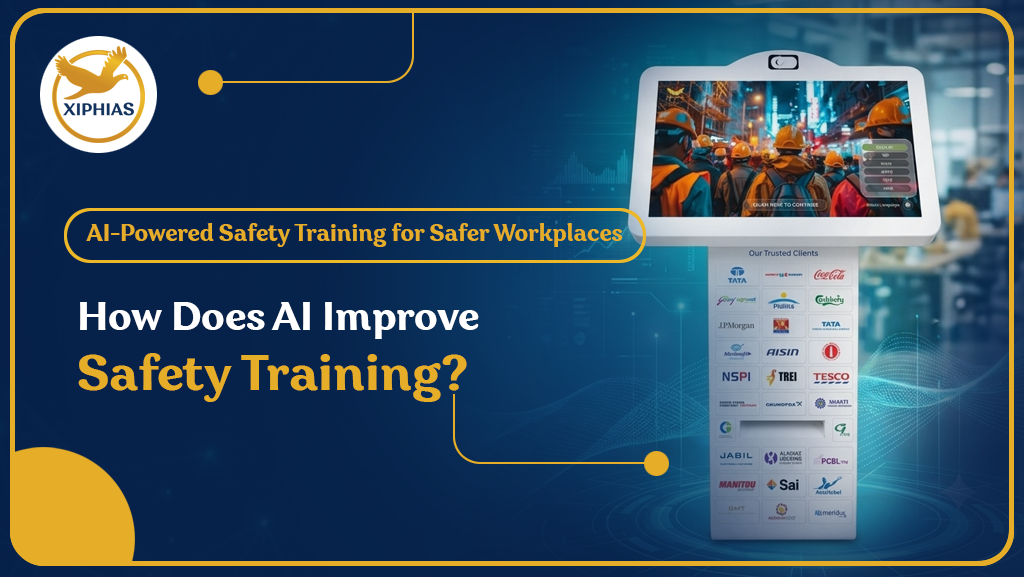
A safety training kiosk is a self-service station, usually at a site entrance, reception or training room, where people complete a safety induction before they enter or start work. It plays the training, runs a short test and records the result automatically.
An AI safety training kiosk goes further. It can switch the language, adapt questions to the person’s answers, verify identity and update content as site rules change, all without a trainer present.
The common uses are:
- Factory induction kiosk: new hires and shift workers complete the site induction on their first day.
- Visitor safety induction: guests watch a short briefing and acknowledge the rules before getting a badge.
- Contractor induction: third-party crews prove they have the right training and certificates before work begins.
Key benefits include consistent training for everyone, coverage across all shifts and results that sync to your induction management system or safety LMS with no manual data entry.
Why Does AI Safety Training Matter for Compliance?
AI safety training matters for compliance because it turns training into records you can show an auditor. Every completed module, quiz score and certificate is logged with a date, a person and a site.
Good compliance training software helps in three ways:
- Audit-ready records: training records management keeps proof of induction, refreshers and assessments in one place.
- Certification tracking: certification tracking software alerts managers before licenses and permits expire, so gaps are fixed early.
- Compliance reporting: compliance reporting software shows completion rates by site, role or contractor, which supports workforce compliance management across multiple locations.
Requirements differ by country and industry, so check the rules that apply to your sites and confirm your platform can report against them.
Which Industries Benefit Most from AI Safety Training?
Any workplace with physical hazards, high staff turnover or heavy contractor use benefits from industrial safety training that is delivered and tracked digitally.
- Manufacturing: frequent shift changes and machinery risks make fast, consistent inductions valuable.
- Construction: crews and subcontractors change often, so contractor management software and quick site inductions reduce gaps.
- Logistics and warehousing: forklift, loading and manual handling training can be refreshed on short, targeted modules.
- Energy, chemicals and mining: high-consequence hazards call for scenario practice and strict certification tracking.
- Corporate and shared sites: visitor management and visitor safety induction keep guests briefed without adding work for reception.
Choosing a Safety Training Platform: Which Features Matter Most?
A strong safety training platform should cover these basics:
- AI-generated and adaptive modules that you can update quickly when procedures change.
- Multilingual delivery so every worker can understand the training.
- Kiosk and mobile access, including a self service kiosk option for entrances and training rooms.
- Induction and contractor workflows for employees, visitors and third parties.
- Training records and certificate tracking with expiry alerts.
- Reporting dashboards that support audits and management reviews.
- Integrations with HR systems, access control and IoT safety solutions.
If you already use a wider EHS software or safety management system, check how well the platform connects to it.
Getting Started with AI Safety Training: Where Do You Begin?
You can start small and expand once the first site is running.
- Map your current training. List the inductions, courses and certificates you manage today and where records are kept.
- Pick the highest-risk area first. Start with the hazards or groups, such as contractors or night shifts, where gaps cost the most.
- Choose a platform. Select safety training management software that supports AI training modules, kiosks and compliance reporting.
- Digitize your content. Convert existing procedures into short modules and add quizzes.
- Pilot, measure, expand. Track completion rates, assessment scores and incident trends, then roll out to more sites.
FAQs About AI Safety Training
Does AI replace safety trainers?
No. AI handles repetitive delivery, testing and record keeping, while trainers and safety officers still lead hands-on instruction and make final decisions.
What is the difference between safety training software and a regular LMS?
Safety training software is built for hazards, inductions, certificates and compliance reporting. A regular LMS focuses on general courses and rarely tracks site-specific safety requirements.
Can a safety kiosk handle visitors and contractors?
Yes. A safety kiosk can run a visitor safety induction or contractor induction, check results and log them automatically.
Is AI safety training suitable for small teams?
Yes. Cloud-based safety management software lets small teams start with a few modules and add sites or features as they grow.
How does AI help with audits?
AI-assisted tools keep training records current, flag expiring certificates and produce compliance reports on demand.
Conclusion
AI improves safety training by making it personal, practical and provable. Adaptive modules keep workers engaged, simulations let them practice safely and automated tracking keeps compliance records ready. A safety training kiosk and the right platform bring these pieces together at the point where people enter your site. To see how this could work for your workplace, talk to the Xiphias team.