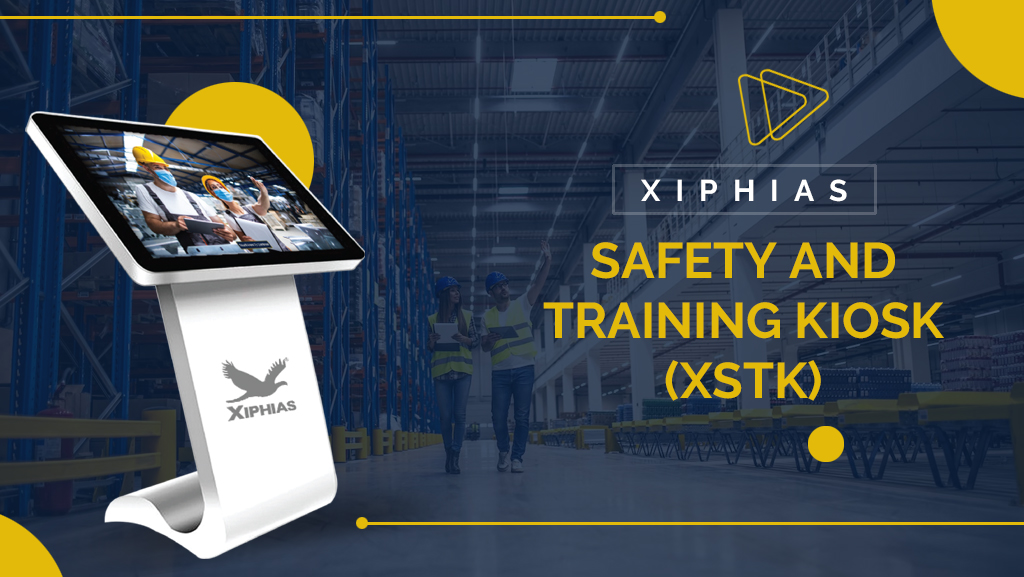
Why Safety Training Kiosks Are a Smart Investment for Workplace Safety
Employee safety should always be a top priority in any workplace. Traditional safety training methods can be slow, costly, and often fail to keep employees engaged. Thanks to advances in technology, businesses now have a better option: investing in a safety training kiosk powered by modern safety training software. This approach gives companies an efficient, cost effective, and engaging way to educate their workforce.
In this post, we will explore how safety training kiosks are becoming a smart investment for businesses that want to improve workplace safety while boosting overall efficiency.
What Is a Safety Training Kiosk?
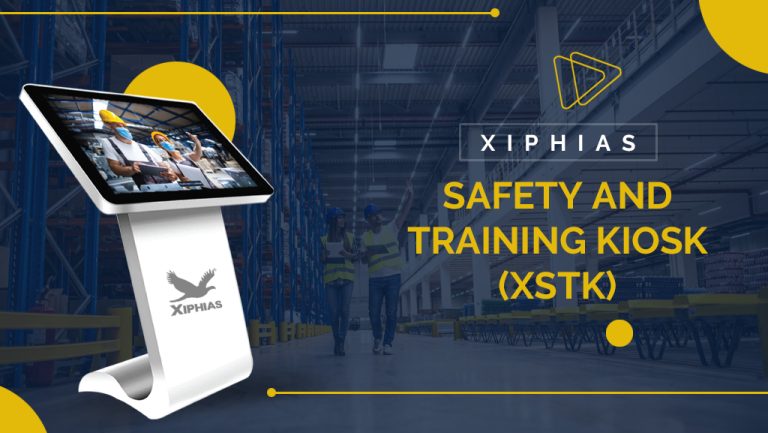
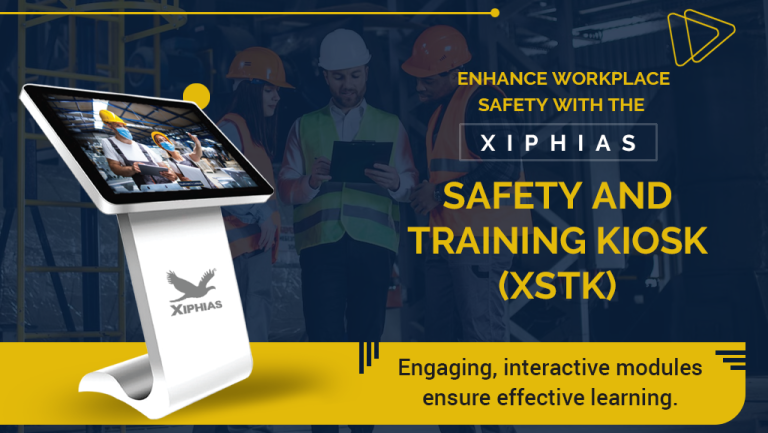
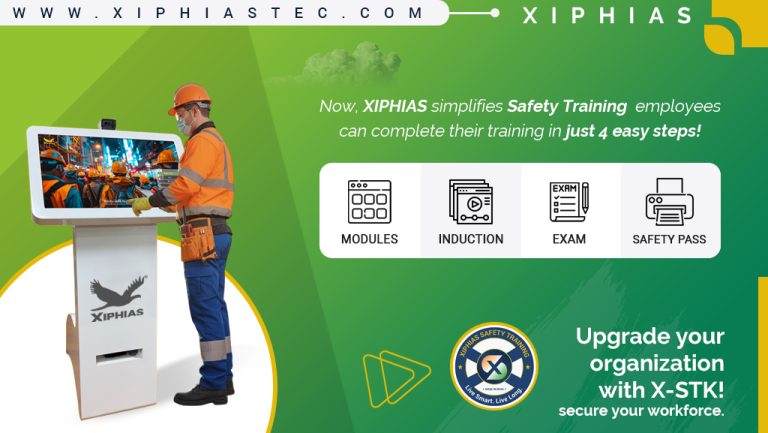
A safety training kiosk is an interactive, self-service station built around a touchscreen interface and safety training management software. These kiosks act as a safety kiosk hub, delivering training content on workplace safety, emergency protocols, and hazard management in a format employees actually want to use. Many kiosks now include ai safety training kiosk features, along with videos, quizzes, simulations, and other multimedia tools designed to reinforce learning.
Because the kiosk is self-service, employees can complete training on their own schedule. There is no need to interrupt daily workflow or wait for a facilitator to be available.
Why Safety Training Kiosks Are a Smart Investment
1. Better Accessibility and Convenience
One of the biggest advantages of a safety training kiosk is accessibility. Employees no longer need to step away from work to attend classroom-based sessions. With kiosks placed around the workplace, staff can access online safety training software during breaks or downtime. This flexibility means safety training does not disrupt daily operations, and it supports a smoother visitor safety induction process for guests and contractors as well.
2. Standardized and Consistent Training
Traditional safety training often delivers inconsistent results. Some employees might receive more detailed or accurate information than others, depending on who leads the session. A safety training platform removes this risk by delivering the same content to every employee. Paired with a safety learning management system, businesses can ensure every team member receives identical, up to date instruction, keeping safety knowledge consistent across the entire workforce.
3. A Cost Effective Solution
Classroom-based safety programs come with real costs: trainers, materials, venue rental, and lost work hours. A safety training kiosk requires an upfront investment in hardware and employee safety training software, but it becomes a cost effective solution over time.
Because employees spend less time away from their regular duties, businesses also reduce productivity loss. Less downtime means real savings, which is why more companies are turning to workplace safety software and safety management software to modernize their training programs.
4. Stronger Employee Engagement and Retention
Passive learning, like listening to a lecture or reading a manual, tends to be forgettable. Interactive safety training changes that. A digital safety training kiosk uses videos, interactive scenarios, and quizzes to create a more engaging experience that helps information stick.
With simulations built into the safety training LMS, employees can test their knowledge and practice how to respond in emergency situations. This kind of engagement improves learning outcomes and builds employee confidence in handling real world hazards.
5. Faster Training and Less Downtime
A safety training kiosk helps employees complete training faster. Instead of spending hours or even days in a classroom, staff can move through modules at their own pace using a safety compliance software system built for flexibility.
This faster, more flexible process reduces downtime, limits disruption to operations, and gets employees back to work sooner, all while improving overall productivity.
6. Real Time Tracking and Reporting
Most kiosks come with built-in safety compliance tracking software, giving managers real time visibility into employee progress. With a few clicks, managers can see who has completed training, how they scored on quizzes, and whether additional coaching is needed. A reliable safety induction software system helps ensure no one is overlooked and that compliance stays on track.
These same reports make audits easier and help confirm that the business is meeting industry specific safety regulations. Automated tracking through a safety training management platform saves administrative time and reduces the risk of human error, keeping training records accurate and accessible.
7. Built to Scale With Your Business
As a company grows, so do its training needs. A cloud connected safety kiosk system scales easily, whether a business is expanding its workforce or opening new locations. New modules can be added at any time, and additional kiosks can be deployed quickly to support larger teams. This scalability, often supported by iot safety solutions, helps businesses maintain consistent industrial safety training standards across every location.
8. Remote Updates and Full Customization
One of the most valuable features of a modern safety management system is the ability to push remote updates. When safety protocols, regulations, or industry standards change, businesses can update training content instantly across every kiosk, no material replacement or re-training required.
Kiosks can also be customized to fit specific industries. Construction sites might need specialized modules on equipment handling and fall protection, while manufacturing plants may require training focused on machine operation and hazard communication. With the right safety assessment software behind it, a safety training kiosk can be tailored to meet the unique needs of nearly any workplace.
A Smarter Way to Train for Workplace Safety
Investing in a safety training kiosk is no longer just a nice to have. Paired with the right safety compliance software and safety learning management system, it is a practical, scalable way to strengthen workplace safety, improve engagement, and simplify compliance tracking, all while cutting costs and downtime.