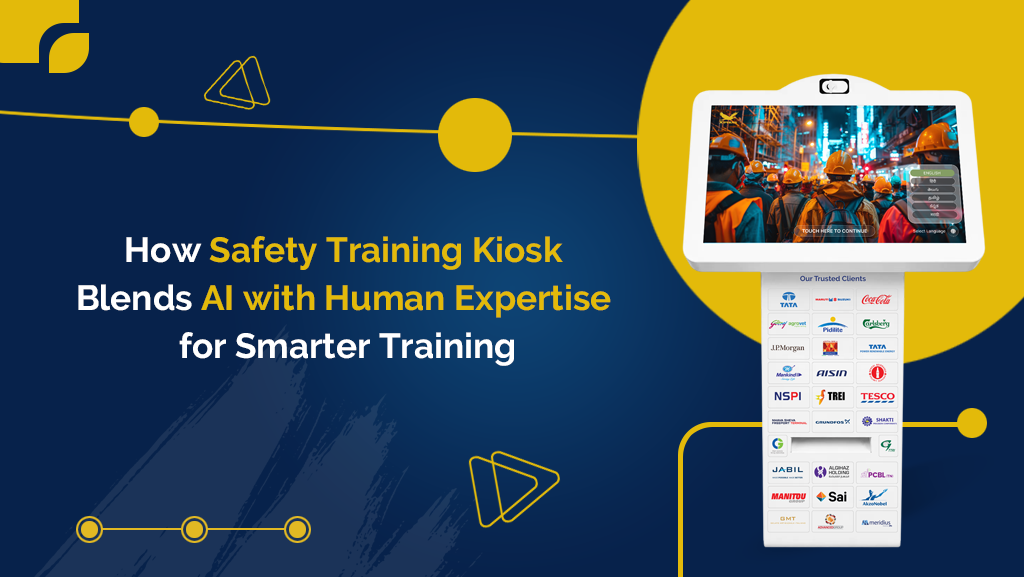
How Safety Training Kiosk Blends AI with Human Expertise for Smarter Training
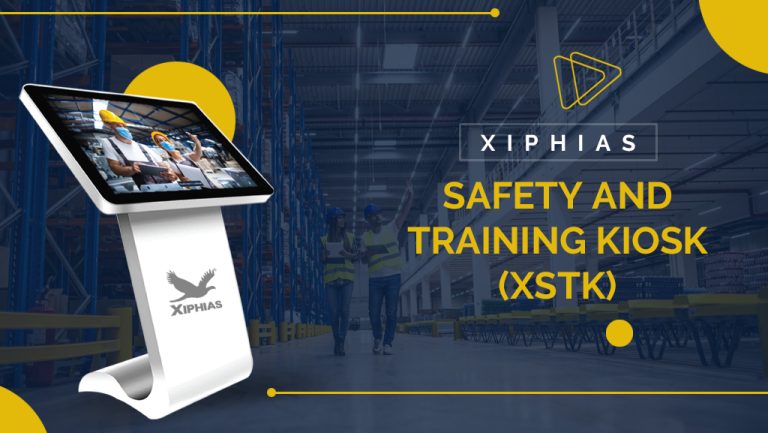
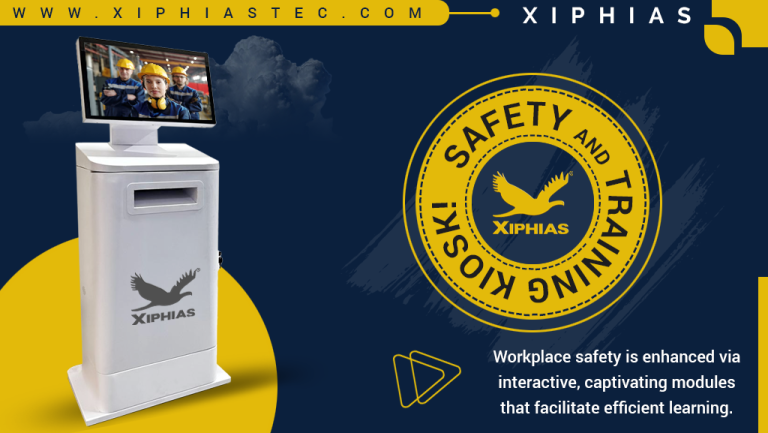
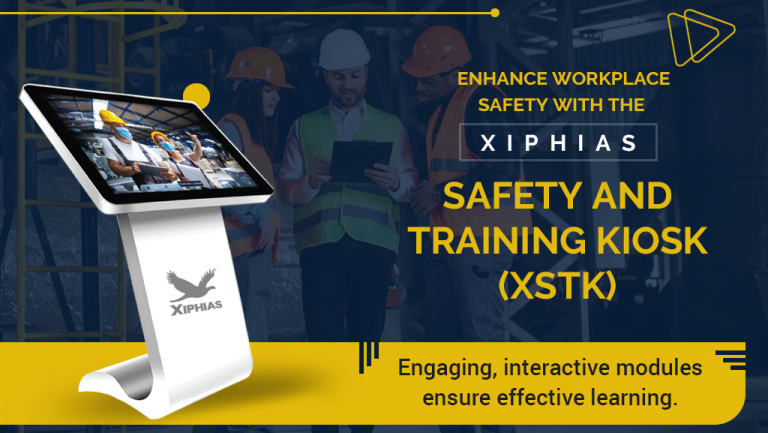
A Safety Training Kiosk (STK) is a self-service system that delivers safety induction, quizzes, attendance and certification at the point of entry. Modern STKs combine AI automation with human expertise, so training is consistent, verified and measurable while safety officers focus on culture, judgment and real hazards.
Traditional safety training often fails for simple reasons. Sessions are one-time, language barriers go unnoticed, attendance is easy to fake, and records are scattered across paper files. An AI-powered Safety Training Kiosk fixes these gaps without removing the human element that makes safety real.
What Is a Safety Training Kiosk (STK)?
A Safety Training Kiosk is a touchscreen or standalone station, usually placed at a factory gate, construction site, warehouse or plant entrance. Workers, contractors and visitors complete a safety induction before they enter the work area.
A typical STK includes:
- Induction videos and safety modules
- Multi-language instructions
- Quiz-based assessment
- Identity verification and attendance
- Digital certificates or entry passes
- Compliance reports for EHS teams
On its own, a kiosk is just a delivery tool. Adding AI makes it smarter, and adding human expertise makes it effective.
How Does AI Work Inside a Safety Training Kiosk?
AI in a Safety Training Kiosk handles repetitive, data-heavy and time-sensitive tasks that people cannot do consistently at scale. Here is where it adds value:
- Multi-language delivery: The kiosk presents induction content in the worker’s preferred language, which improves understanding on diverse sites.
- Face recognition attendance: AI verifies who is actually taking the training, which prevents proxy attendance and buddy punching.
- Smart quiz scoring: Answers are evaluated instantly, and weak topics are flagged for repeat learning.
- Personalised learning: Content can adapt to the worker’s role, site zone or risk level.
- Automated certification: Workers who pass receive a certificate or entry pass immediately, with no manual paperwork.
- Live compliance reporting: Training data, scores and validity dates feed into audit-ready dashboards.
- 24/7 availability: Night shifts and weekend contractors get the same quality of training as the day shift.
In short, AI delivers consistency, speed and traceability.
Where Human Expertise Still Matters in Safety Training
AI can verify, score and report, but it cannot lead a safety culture. Human expertise remains essential in areas where context, empathy and judgment decide the outcome.
- Content creation: Safety officers decide what risks, rules and site-specific hazards the kiosk should teach.
- Hands-on training: Fire drills, PPE demonstrations, working at height and confined space practice need real people.
- Judgment calls: When a worker fails a quiz repeatedly, a supervisor understands whether the issue is language, literacy or fatigue.
- Emergency response: During incidents, trained people act. Software supports them.
- Motivation and culture: Workers follow rules when they trust leaders who care, not just when a screen tells them to.
The best safety programs treat AI as a force multiplier for people, never a replacement.
AI + Human: How the Hybrid Training Model Works
Here is how a Safety Training Kiosk blends both strengths in a real workflow:
- Setup (Human): The EHS team uploads site rules, hazard videos and quiz questions in the required languages.
- Identification (AI): The worker scans their face or ID at the kiosk, and the system verifies identity.
- Training (AI): The kiosk delivers the relevant induction module in the worker’s language.
- Assessment (AI): The quiz is scored instantly, and weak areas are identified.
- Review (Human): Supervisors check flagged cases and give extra guidance where needed.
- Entry and certification (AI): Eligible workers receive a pass automatically.
- Improvement (Human + AI): Reports show common mistakes, and safety teams update content or run toolbox talks.
This loop turns training from a one-time event into a continuous improvement cycle.
Key Benefits of AI-Powered Safety Kiosks
- Consistent training quality: Every worker receives the same verified message, regardless of trainer or shift.
- Faster onboarding: Contractors and visitors complete induction in minutes instead of waiting for a scheduled session.
- Stronger compliance: Digital records support audits, inspections and regulatory requirements.
- Reduced human error: Automated attendance and scoring remove manual mistakes and manipulation.
- Better safety decisions: Data shows which topics workers struggle with, so training can be targeted.
- Lower admin workload: Safety teams spend less time on paperwork and more time on the shop floor.
Which Industries Use Safety Training Kiosks?
Safety Training Kiosks are widely useful wherever many people, including contractors and visitors, enter high-risk areas. Common examples include:
- Manufacturing plants and factories
- Construction sites
- Oil, gas and chemical facilities
- Warehouses and logistics hubs
- Power plants and utilities
- Mining and infrastructure projects
Frequently Asked Questions About Safety Training Kiosks
What is a Safety Training Kiosk?
A AI Safety Training Kiosk is a self-service station that delivers safety induction, assessments, attendance and certification to workers and visitors before they enter a worksite.
How does AI improve safety training?
AI improves safety training by automating identity verification, language selection, quiz scoring, personalised learning and compliance reporting, which makes training faster, more consistent and easier to audit.
Can a Safety Training Kiosk replace safety officers?
No. A kiosk handles repetitive induction and record-keeping, while safety officers provide hands-on training, risk judgment, emergency leadership and culture building.
Does a Safety Training Kiosk prevent proxy attendance?
Yes. With face recognition or ID verification, the system confirms that the person completing the training is the person entering the site.
Is a Safety Training Kiosk suitable for contractors and visitors?
Yes. It is especially useful for contractors and visitors because they can complete a short, language-friendly induction at the gate without waiting for a classroom session.
How does STK help with safety audits?
STK stores training dates, scores, certificates and attendance in digital records, so auditors can verify compliance quickly.
Conclusion: Technology Trains, People Protect
A Safety Training Kiosk works best when AI and human expertise work together. AI brings speed, accuracy and traceability. Humans bring judgment, empathy and leadership. Together, they turn safety training from a checkbox into a real habit.
If you want to make induction smarter, reduce compliance gaps and build a stronger safety culture, STK is a practical place to start.
Ready to see it in action? Request a demo of the Safety Training Kiosk today.