How can I reduce customer queues in my restaurant?
Quick answer: Long queues can affect customer satisfaction, slow down restaurant operations and cause customers to leave without placing an order. During peak hours, managing multiple orders while maintaining service quality becomes even more challenging.
Restaurants can reduce customer queues by improving order-taking processes, introducing digital ordering options, streamlining payment methods and using self-service food ordering kiosks.
Technology such as restaurant POS systems, QR code ordering and self ordering kiosk helps customers place orders with less dependence on counter staff. These solutions can improve order management, reduce manual errors and create a smoother ordering experience.
In this guide, we explore why restaurant queues occur, what causes delays, how restaurants can reduce waiting times and which technologies can support faster service.
Why Reducing Restaurant Queues Matters
Long queues turn hungry, impatient guests into lost sales and bad reviews. Cutting wait times protects your revenue and your reputation.
- Lost walk-ins: Many passers-by skip a long line. Each one is a table you never served.
- Lower table turnover: Slow seating, ordering and billing mean fewer covers per shift.
- Bad reviews: Guests rarely complain in person. They post “long wait” and “slow service” on Google, Zomato and Yelp instead.
- Stressed staff: Crowded entrances raise pressure and cause errors.
- Weaker loyalty: Guests who wait too long rarely return or recommend you.
- Fewer upsells: Frustrated guests order less. Calm guests add starters, drinks and desserts.
Bottom line: a shorter queue is more than a comfort. It lifts sales per seat, guest satisfaction and your brand reputation.
What Causes Long Queues in Restaurants?
Most queues come from a bottleneck in seating, ordering, the kitchen or billing, not from demand alone. Find the slow stage first, then fix it.
| Bottleneck | What it looks like | Typical root cause |
|---|---|---|
| Seating | Free tables, but guests still waiting at the door | No waitlist system, poor table assignment, tables not cleared fast |
| Ordering | Guests seated for long before the order is taken | Too few servers, large menu, no automated food ordering system |
| Kitchen | Orders pile up, dishes arrive late | Complex menu, no KDS, poor prep planning |
| Billing | Guests wait for the bill and the card machine | Single payment point, no split-bill or QR payment option |
| Peak hours | Queue appears at the same time daily | Staffing not matched to lunch and dinner rushes |
| Communication | Guests do not know how long they will wait | No wait-time estimate, no updates |
How to measure it: Track four times: wait at the door, time to first order, kitchen ticket time, and time from bill request to table cleared. The longest one is your bottleneck. Fix it first for the biggest gain.
How to Reduce Customer Queues in Your Restaurant: 10 Proven Strategies
Combine faster seating, quicker ordering, a leaner kitchen and faster payment. Start with your slowest stage.
- Use a virtual queue or online waitlist. Guests join by phone, QR code or SMS. They get an alert when their table is ready, so they don’t crowd your entrance.
- Take reservations. Keep some tables for bookings and the rest for walk-ins. This evens out demand.
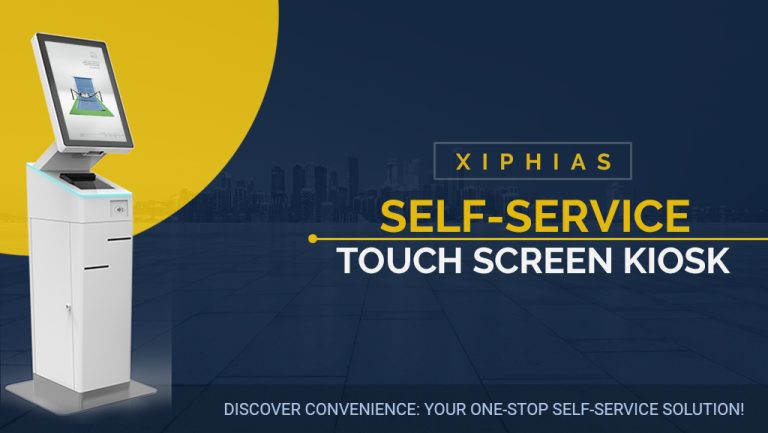
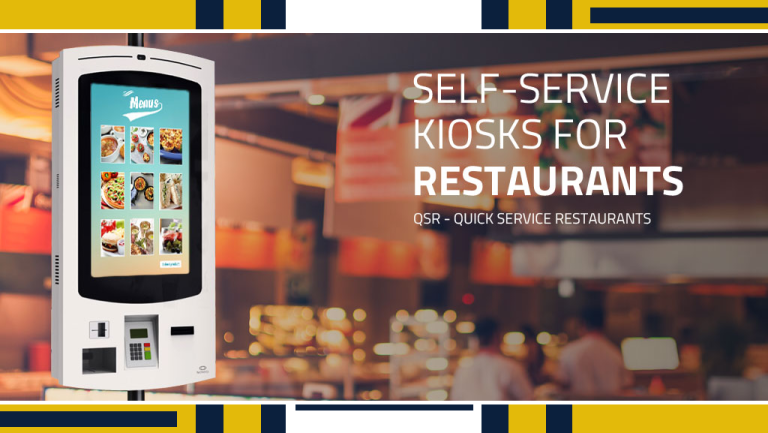
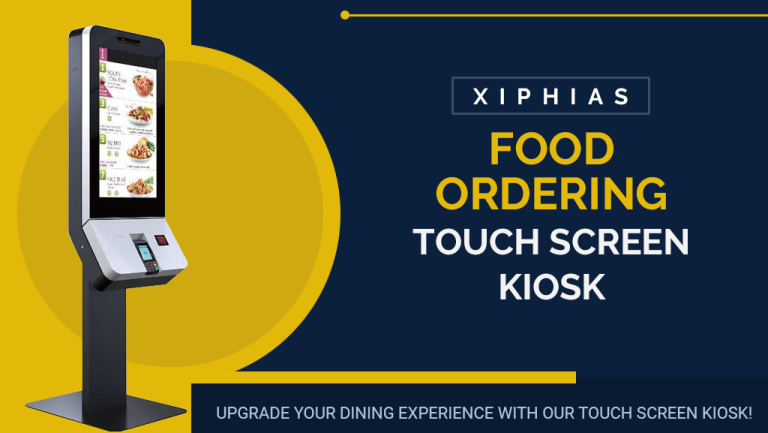
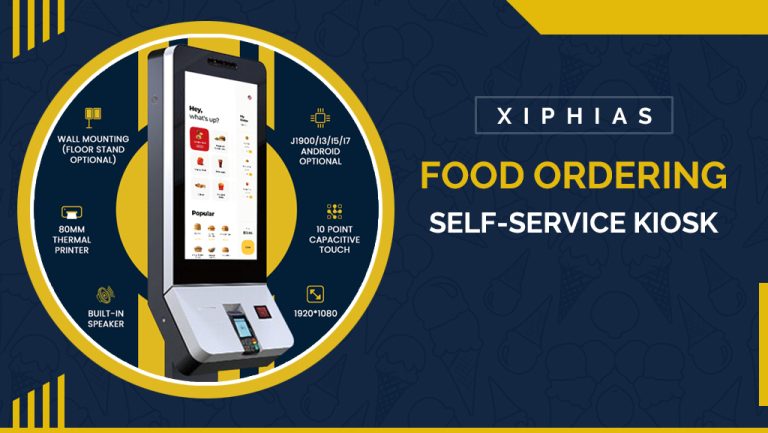
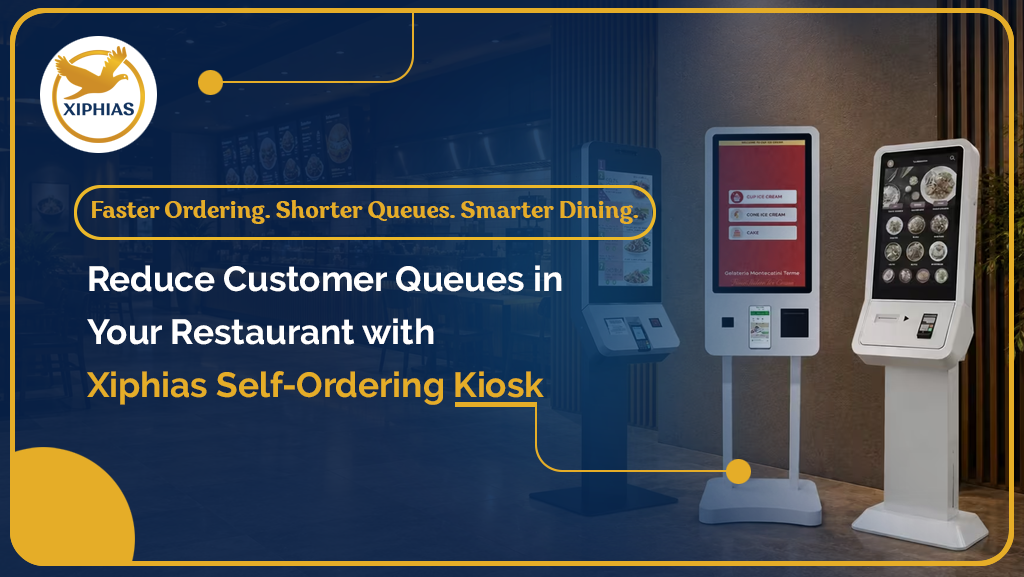
- Install self ordering kiosks and QR code ordering. A food ordering kiosk lets guests browse, customise and pay on a touchscreen. A self service fast food kiosk shortens the order-to-payment step, cuts order errors and frees staff to cook and serve. Add QR code ordering at tables so dine-in guests can order on their own too.
- Simplify your menu. Fewer items mean faster choices and less kitchen work. Remove slow sellers.
- Install a kitchen display system (KDS). It replaces paper tickets and shows orders in priority order, so ticket times stay steady.
- Prep before the rush. Batch-prep sauces, chopped vegetables and marinades so the line only cooks and assembles.
- Staff for demand. Use POS sales data to find peak hours. Add servers, runners and hosts then, not evenly all day.
- Speed up table turnover. Clear tables fast, bring the bill early and offer UPI, contactless cards and split bills.
- Add online food ordering and pre-orders. A digital food ordering system lets customers order ahead and collect from a pickup shelf. This keeps takeaway out of the dine-in line.
- Set honest expectations. Quote real wait times and give updates. A known 15-minute wait feels shorter than an unknown one.
Pro tip: Change one thing at a time. Measure wait time, table turnover and ratings for two weeks, then compare.
Which Queue-Reduction Solution Is Right for Your Restaurant?
The right fix depends on your format. A quick-service outlet needs fast order flow. A fine-dining restaurant needs smart seating and reservations.
| Restaurant type | Best-fit solutions | Main goal |
|---|---|---|
| Quick-service / fast food | Self service fast food kiosk, QR ordering, KDS, separate pickup counter | Shorten order-to-handover time |
| Casual dining | Virtual waitlist, QR ordering, table management, split-bill payments | Raise table turnover |
| Fine dining | Reservations, pre-orders, host-managed seating | Smooth pacing without rushing guests |
| Cafes and bakeries | Mobile pre-order, quick-pay counters, simplified menu | Cut counter congestion |
| Food courts and high-footfall outlets | Food court ordering system, token display boards, multiple billing points | Spread demand across counters |
| Cloud kitchens and takeaway-heavy outlets | Online ordering integration, KDS, batch prep | Keep delivery and pickup on time |
Which tools should you evaluate? Look for food order management software that links your POS, online ordering, kiosks and kitchen display. Check that it:
- Works with your existing POS
- Supports local payments such as UPI
- Is easy for staff to learn
- Reports wait time and table turnover
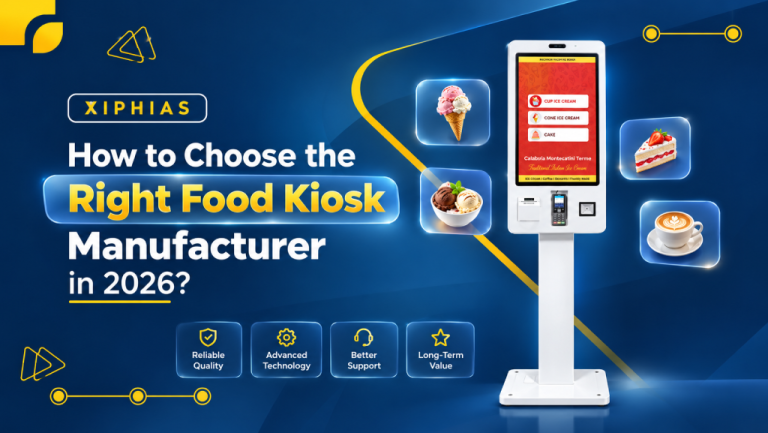
Buying kiosk hardware? Compare food service kiosk manufacturers on screen durability, payment support, software integration and after-sales service.
Which fix should you start with?
- Guests wait at the door while tables sit empty: fix seating and the waitlist.
- Guests wait after sitting down: fix ordering and the kitchen.
- Guests wait to leave: fix billing and payment.
Frequently Asked Questions
How can I reduce customer waiting time in a restaurant?
Find the slowest stage (seating, ordering, kitchen or billing) and fix it first. Common fixes are a virtual waitlist, a self ordering kiosk, QR code ordering, a shorter menu, a KDS and faster payment.
What is the best way to manage a restaurant queue?
Use a digital waitlist or reservation system. It gives guests an accurate wait time and alerts them when their table is ready, so your entrance stays clear.
Does QR code ordering really reduce wait times?
It can. Guests order and pay without waiting for a server, which cuts ordering and billing time and reduces errors. It works best with a clear menu and a kitchen ready for the extra speed.
How long is too long to wait at a restaurant?
There is no fixed rule. Quick-service guests expect minutes. Fine-dining guests accept longer if you are honest about it. Track guest feedback and keep waits within what your customers expect.
How do I handle peak-hour crowds?
Add staff in peak windows, prep ahead, take reservations for part of your seating and use a waitlist for walk-ins. Use POS data to predict busy periods.
Is a kitchen display system worth it for a small restaurant?
For many small restaurants, yes. A KDS prevents lost or misread paper tickets, shows order priority and keeps kitchen timing steady, so guests wait less for food.
Is a self-ordering kiosk worth it for a fast food restaurant?
For busy fast food and food court outlets, often yes. A food ordering kiosk takes orders without a cashier, so more guests can order at once while staff prepare and serve food. It works best with an easy menu and a kiosk linked to your POS and kitchen display.
Conclusion
To cut customer queues, find your bottleneck, fix it with the right tool and measure the result. Start small with a virtual waitlist, a food ordering kiosk or a trimmed menu.
Shorter queues mean happier guests, better reviews, faster table turnover and higher revenue.
Ready to cut your wait times? Pick one strategy from this guide, run it for two weeks and track the difference.