How Self Check-In Kiosks Are Transforming the Airport Experience?
Air travel is becoming faster, smarter, and more convenient with the adoption of self-check-in kiosks. These intelligent self-service solutions allow passengers to complete check-in, print boarding passes, and access travel information with minimal waiting time, creating a smoother airport experience. At XIPHIAS Software Technologies, we design advanced Self Check-In and Check-Out Software that helps airports and airlines improve operational efficiency, reduce queues, and enhance passenger convenience through reliable hardware and intelligent software.
With the increasing demand for contactless and efficient travel solutions, self check-in kiosks are rapidly replacing traditional check-in counters.
The Rise of Self Check-In Kiosks
Airports have witnessed a tremendous surge in passenger traffic over the years, making efficient check-in solutions a necessity. Traditional check-in counters, which require manual processing by airline staff, often lead to long waiting times and frustration among travelers.
Key Benefits of Self Check-In Kiosks
1. Reduced Wait Times and Faster Processing
One of the biggest advantages of self check-in kiosks is the ability to cut down long queues at traditional check-in counters. Passengers can check in within minutes, ensuring a smoother flow through the airport and reducing congestion, especially during peak travel seasons.
2. Improved Passenger Experience
With user-friendly touchscreens and intuitive navigation, self-check-in kiosks make the process seamless, even for first-time travelers. These kiosks support multiple languages, ensuring that international passengers can check in effortlessly without language barriers.
3. Greater Efficiency for Airlines
Self check in kiosks let airlines reduce staffing at traditional counters, freeing personnel to focus on passenger assistance and security instead of repetitive check in tasks.
4. Contactless and Hygienic Travel
Since the COVID-19 pandemic, there has been a growing demand for contactless airport services. Self check-in kiosks reduce the need for face-to-face interactions, minimizing the risk of virus transmission and making air travel safer for passengers and airport staff alike.
5. Baggage Tagging and Drop-Off Integration
Many modern self check-in kiosks are integrated with automated baggage drop-off systems, allowing passengers to print their baggage tags and proceed directly to the bag drop area. This further accelerates the check-in process and enhances overall airport efficiency.
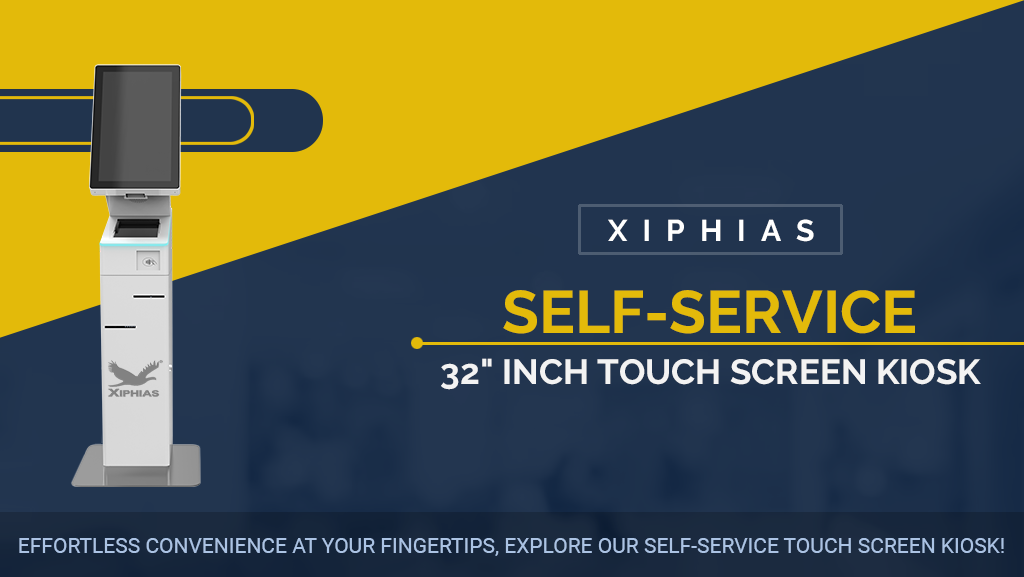
Modern airport self-check-in kiosks are designed to simplify the passenger journey while enabling airports to manage high traveller volumes more efficiently.
How Self Check-In Kiosks Work
The operation of self check-in kiosks is designed to be simple and efficient. Here’s how the typical process works:
- Identification:
Passengers start by scanning their passport, ID card, or booking reference number to retrieve their reservation. - Flight Selection and Seat Assignment:
The kiosk displays flight details and allows passengers to select or change their seats. - Boarding Pass Printing:
Once check-in is complete, the kiosk prints the boarding pass, which the passenger can use to proceed to security screening. - Baggage Tag Printing (if available):
For kiosks with baggage tagging capabilities, passengers can print luggage tags and attach them before heading to the baggage drop-off area.
Impact on Airport Operations
Check-in kiosks not only benefit passengers but also have a profound impact on airport operations. Here’s how they contribute to smoother airport management:
- Increased Capacity Without Physical Expansion:
Airports facing space constraints can process more passengers without the need for additional check-in counters or infrastructure. - Optimized Workforce Management:
With fewer check-in desks required, airline staff can be redeployed to areas that need more assistance, such as security screening and boarding gates. - Enhanced Security and Compliance:
Kiosks can be integrated with biometric authentication systems and passport verification technologies, ensuring compliance with international aviation security standards.
Challenges and Considerations
Despite their many advantages, self kiosks also present certain challenges:
- Technical Issues and Maintenance:
Kiosks require regular maintenance and software updates to function smoothly. Any downtime can cause inconvenience for travelers. - Passenger Adaptation:
Some passengers, particularly senior travelers or those unfamiliar with technology, may prefer traditional check-in counters. - Cybersecurity Risks:
As with any digital system, data security concerns must be addressed to prevent unauthorized access to passenger information.
Future of Self Check-In Kiosks
As airports continue to embrace digital transformation, the future of self-check-in kiosks looks promising. Here are some expected advancements:
- Biometric Integration:
Future kiosks may integrate facial recognition and fingerprint scanning for even faster and more secure check-in processes. - Mobile and Wearable Connectivity:
Some airports are already testing kiosks that sync with mobile apps and wearable devices, allowing passengers to check in and receive digital boarding passes seamlessly. - AI-Powered Assistance:
Artificial intelligence (AI) will play a crucial role in improving real-time assistance at kiosks, helping passengers with their queries and troubleshooting common issues.
Conclusion
Self-check-in kiosks are reshaping the airport experience by making passenger journeys faster, more convenient, and more efficient. The right self-service kiosk at an airport can cut wait times and free up staff for higher-priority tasks. Explore our Interactive Kiosk Solutions to discover how intelligent self-service technology can support modern transportation environments.