How AI Is Making Safety Training Kiosks Smarter in 2026
Safety training has a habit of falling behind the moment it leaves the classroom. A worker sits through a session, signs an attendance sheet, and within weeks half of what was covered is forgotten. It is not that people do not care about safety. It is that the format was never built to stick.
That is starting to change. An AI safety training kiosk does not just play a video and record a signature. It adapts to how each person learns, tracks whether the content actually landed, and turns training into something that happens continuously instead of once a year during onboarding.
The Problem With Traditional Safety Training
Most safety programs still run on a one size fits all model. Everyone watches the same slides, answers the same five question quiz, and moves on. There is no way to tell who actually understood the material and who simply clicked through to finish faster. Language gaps go unaddressed. Refresher training gets skipped because scheduling a session for a handful of people feels like too much effort.
The result is a compliance record that looks complete on paper but does not reflect what people actually know when it matters, like during an equipment malfunction or an evacuation.
What Makes a Safety Kiosk Smart in 2026
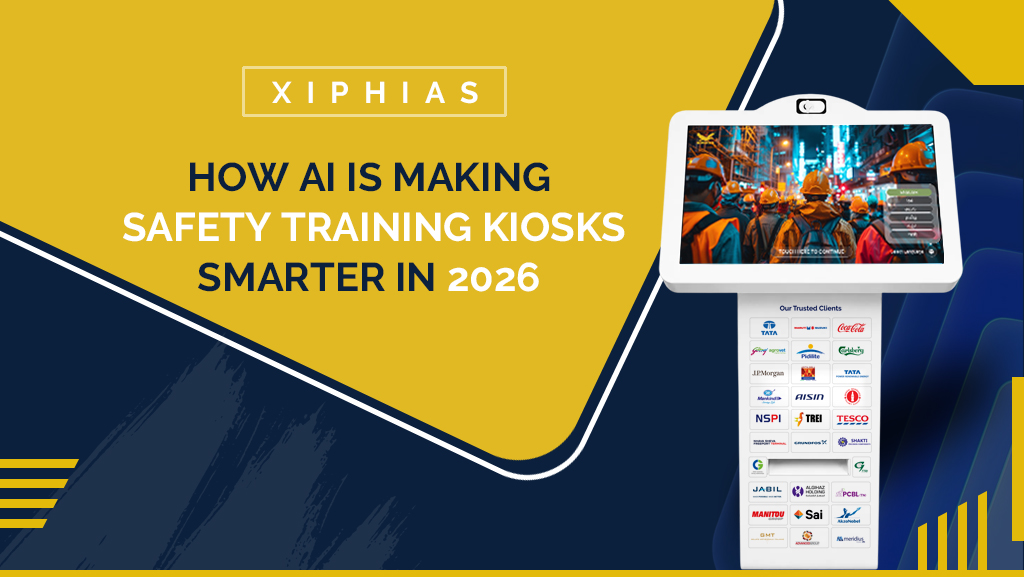
A smart safety kiosk closes that gap by putting AI directly into the training loop rather than treating it as an add on.
Adaptive learning paths. Instead of a fixed sequence, the kiosk adjusts based on a worker’s role, past performance, and even how they answer questions along the way. Someone who breezes through fire safety basics can move to more advanced scenarios, while someone struggling with a specific module gets extra reinforcement before moving forward.
Real time comprehension tracking. Rather than waiting for a quiz score at the end, the system reads engagement patterns as they happen, flagging when a learner seems to be guessing or rushing so supervisors can step in early.
Multilingual and accessible delivery. Teams are rarely made up of a single language group. AI powered kiosks can switch languages instantly and offer audio, visual, and text based formats so training actually reaches everyone on the floor.
Continuous micro training. Instead of one long annual session, short refreshers get pushed out based on incident trends, seasonal risks, or new equipment, keeping safety knowledge current rather than stale.
Key Features to Look For in a Smart Safety Kiosk
If you are evaluating a safety training kiosk for your site, a few capabilities separate the smart ones from the basic ones:
- AI driven personalization that adjusts content per learner, not per group
- Real time analytics dashboards for supervisors and compliance teams
- Offline and low bandwidth modes for remote or industrial sites
- Companion app support so training can continue beyond the kiosk itself
- Group and team based training modes for shift based environments
- Secure recordkeeping that holds up during audits
Real World Use Cases
Manufacturing floors use smart safety kiosks to walk new hires through machine specific hazards before they ever touch equipment. Construction sites deploy them for daily toolbox talks that adapt based on the day’s task list. Warehouses lean on them for forklift certification refreshers that trigger automatically after near miss reports. Oil and gas operations use them for high stakes protocols where a single gap in understanding carries real consequences.
Across every one of these settings, the common thread is the same. Training stops being a box to check and starts being something that actually changes behavior on the ground.
Why XIPHIAS
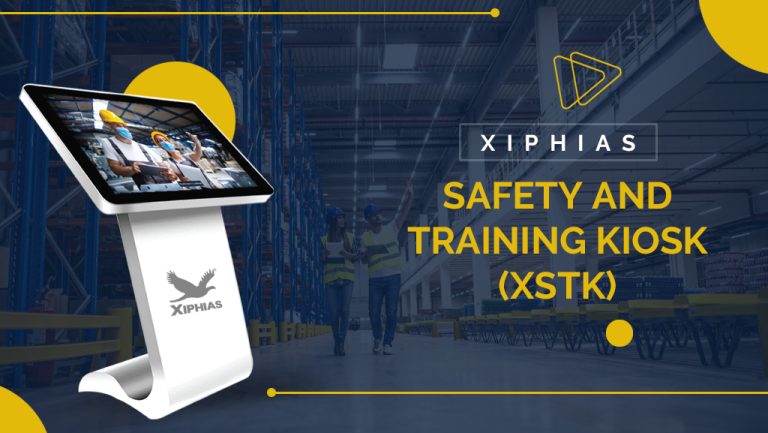
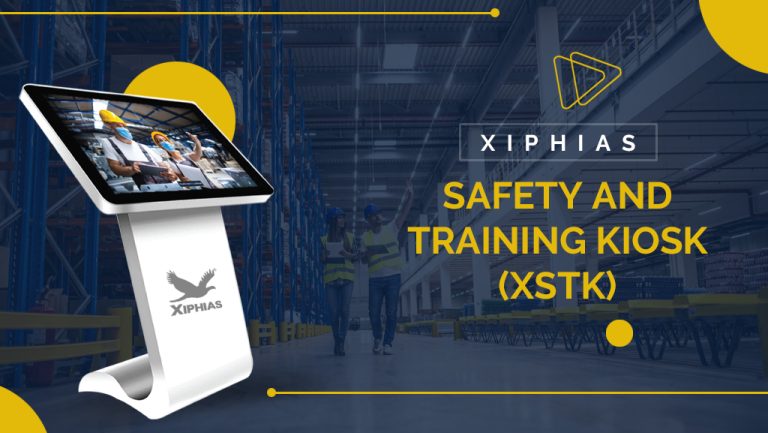
XIPHIAS builds safety and training kiosk software around this exact shift, combining AI driven personalization with the AMBIC stack ofAI, mobility, blockchain, and IoT to give teams training that keeps up with how work actually happens. From adaptive modules to companion app support and group training systems, the goal is training that sticks, not just training that gets logged.
Building a Safety Program That Actually Works
The shift toward smart safety kiosks is not about adding technology for its own sake. It is about closing the gap between training that gets completed and training that gets remembered. As safety expectations rise across industries in 2026, the organizations that move first on adaptive, AI powered training will be the ones with teams that are genuinely prepared, not just technically compliant.
Ready to see how a smarter safety kiosk fits your site? Explore XIPHIAS Safety Training Software.